We are accepting new patients

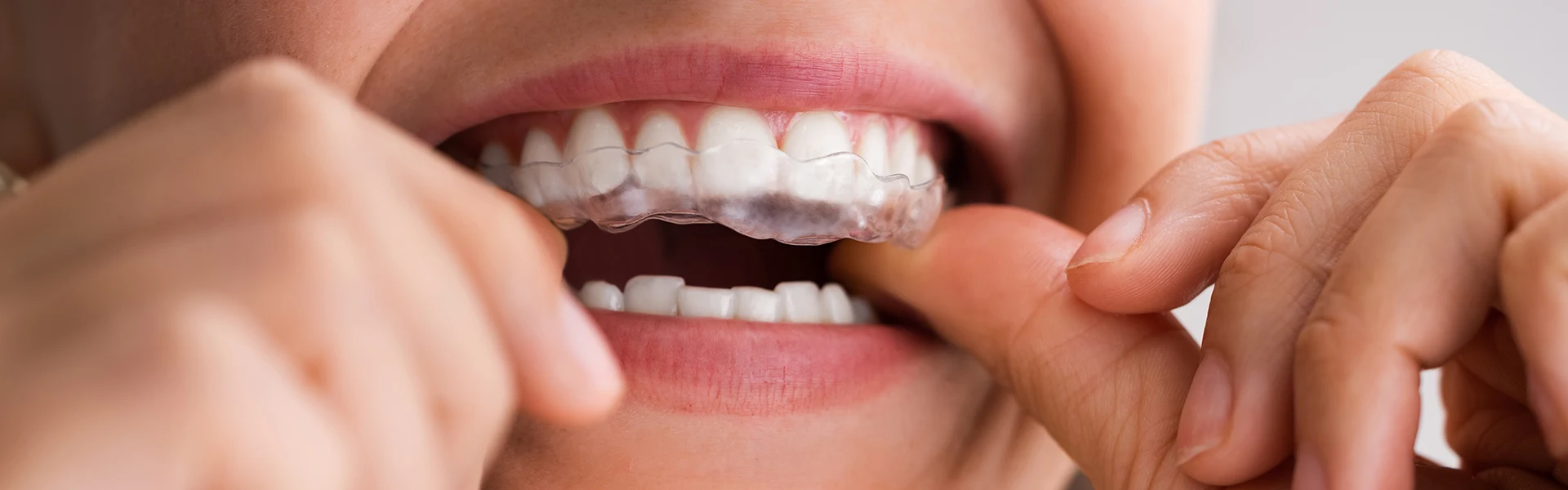
How Many Hours a Day Do You Need to Wear Invisalign Aligners?
You remove your aligners for breakfast, rush to work, and forget to put them back in. By lunchtime, they’ve been out for hours. Does that matter?
Most patients should wear Invisalign aligners 20 to 22 hours a day, including overnight. Leaving them out too long can interrupt the pressure that guides teeth into position.
How Long Should You Wear Invisalign Aligners Each Day?
Invisalign daily wear time leaves only 2 to 4 hours for eating, drinking, and cleaning. Your dentist may give different instructions based on your treatment plan.
Each tray is shaped for a stage. Switching before your teeth are ready may cause the next appliance to fit poorly.
A 2026 randomized trial published in the American Journal of Orthodontics and Dentofacial Orthopedics tracked aligner wear using tiny sensors. Adults whose wear time was monitored kept their aligners in longer than those whose wear time was not. The study involved a relatively small group so that results may differ for other patients. Still, it highlights how regularly checking your actual daily hours can reveal habits you might otherwise overlook.
If you’re unsure how long to wear Invisalign, remember that sleeping with your trays in contributes to your daily target.
Example Daily Schedule
Activity Time Without Aligners
Breakfast and brushing 30 minutes
Lunch and cleaning 30 minutes
Dinner and brushing 45 minutes
Other breaks 15 minutes
Total 2 hours
This is an example, not a meal schedule. A phone reminder can help you return your trays after eating without rushing meals.
When Should You Remove Your Invisalign Aligners?
Eating: Take out your trays before meals or snacks. Chewing with them can damage the plastic.
Drinking: Plain water is fine. Remove aligners for coffee, tea, juice, and other drinks. Heat can distort the material, while sugary or acidic liquids may become trapped against teeth.
Cleaning: Brush and floss without the appliance. Rinse your mouth after meals, and whenever possible, clean your teeth before reinserting your trays.
A 2026 review in the European Journal of Orthodontics compared gum health in people using clear aligners and traditional braces. Some findings favored aligners, but the researchers rated the evidence as low or very low certainty. Removable trays may make brushing and flossing easier, but they don’t replace good daily cleaning habits. You still need to remove food debris and plaque before putting your aligners back in after meals.
Use the removal technique your dentist demonstrated, especially around attachments. Store your trays in a protective case, not a napkin. Clean them as instructed, avoiding hot water.
What Happens If You Forget to Wear Your Invisalign Aligners?
One missed stretch doesn’t necessarily undo your progress. Repeated gaps, however, can leave teeth short of their intended positions.
An unusually tight tray or space between plastic and tooth may signal a tracking issue. Poor aligner fit can also result from damage or incorrect seating, not just missed hours.
If you wear your aligners inconsistently, switching sets early may complicate alignment progression. If you’ve forgotten them for several hours, try gently reinserting your current trays. Never force an appliance that won’t seat.
Contact your dentist if a tray causes significant pain, breaks, or no longer fits. Don’t skip ahead or change the schedule yourself.
Frequently Asked Questions
Conclusion
Consistent wear, careful cleaning, and timely advice about a poor fit help keep treatment on track.
For guidance on clear aligner treatment, contact Confluence Dental Wenatchee to discuss your
Research references:
- Sabbagh, H., et al. (2026). Objective assessment of wear time during orthodontic aligner therapy using microsensors: A randomized controlled trial. American Journal of Orthodontics and Dentofacial Orthopedics, 169(3), 272–284. https://doi.org/10.1016/j.ajodo.2025.10.008
- Alhuwaizi, M. A., Saloom, H. F., & Cobourne, M. (2026). Impact of clear aligners and conventional fixed orthodontic appliances on oral hygiene and periodontal health: A systematic review with GRADE assessment of the certainty of evidence. European Journal of Orthodontics, 48(3), cjaf100. https://doi.org/10.1093/ejo/cjaf100