We are accepting new patients


Why Wearing a Retainer Is Essential After Orthodontic Treatment
Completing orthodontic treatment is a major step, but removing braces or finishing clear aligners does not mean your teeth are permanently fixed in place. Even after teeth reach their planned positions, the surrounding bone and soft tissues continue adjusting. Retainers help support the new alignment while these structures adapt.
Retention can remain important well beyond the first few months. Teeth naturally change position throughout life, so following the wear schedule recommended for you helps preserve the progress achieved with braces or aligners.
Why Teeth Shift After Orthodontic Treatment
What Happens Around the Tooth Roots?
Teeth gradually shift when controlled orthodontic forces trigger changes in the bone and supporting tissues around their roots. Bone remodels as each tooth moves toward its planned position. Once active treatment finishes, these supporting structures still need time to adjust.
That continued remodeling explains why teeth may drift after treatment. Retainers help control this movement while the tissues settle around the new tooth positions.
Signs Your Teeth May Be Moving
Tooth movement is not always painful. Small changes may show up first as:
- A retainer that feels tighter than before
- A new space between two teeth
- Slight rotation or crowding
- A change in how your upper and lower teeth meet
If your retainer no longer seats correctly or causes pain, do not force it into place. The AAO recommends having a poorly fitting appliance assessed because tooth movement or changes to the retainer may be responsible.
During a visit with a dentist in Wenatchee patients see for ongoing care, changes in the bite and retainer fit can be evaluated before deciding whether adjustment, replacement, or further orthodontic assessment is appropriate.
The Benefits of Wearing Your Retainer as Directed
Retention Protects the Progress Already Made
A retainer has a different purpose from an appliance that actively moves teeth. Its main role is to hold the corrected tooth positions while the surrounding structures adapt.
How often you need to wear it depends on your treatment history and the stability of your teeth. Some people begin with more frequent wear and later transition to nighttime use. Long-term wear may be recommended because natural tooth movement can continue over time.
Removable and Fixed Options
The type of retainer recommended depends on your teeth, bite, and long-term retention needs.
- Removable retainers: You can remove these retainers for meals and daily oral hygiene. Clear versions sit snugly over the teeth, while Hawley designs usually feature an acrylic section supported by wire.
- Fixed retainers use a thin wire bonded behind selected teeth. They stay in place continuously but require careful cleaning around the wire and bonding material.
Your provider may consider previous crowding, bite stability, oral hygiene, and how reliably you can wear a removable appliance. Both types are established approaches for maintaining tooth position after active care.
When a Retainer Starts Feeling Different
Missing wear for an extended period may allow enough movement for a removable appliance to feel unusually snug or stop seating fully.
If you visit a dentist near me because your retainer suddenly feels different, explain when it last fit comfortably and whether your bite has changed. That information can help distinguish tooth movement from distortion, breakage, or another oral change.
Caring for Your Retainer and Long-Term Smile
Make Retainer Care Part of Your Routine
Plaque and debris can collect on an appliance just as they do on teeth. Regular cleaning helps keep it hygienic and allows you to notice damage early.
For removable appliances:
- Follow the cleaning directions for the specific material.
- Keep the appliance away from very hot water and other heat sources.
- Store it in its protective case when it is out of your mouth.
- Check for cracks, distortion, or rough edges.
- Avoid leaving it loose in a pocket, bag, or napkin.
Heat can alter the shape of some materials, while improper storage increases the chance of loss or physical damage.
Give Bonded Wires Extra Attention
A fixed wire can make certain areas harder to reach with ordinary brushing. Suitable flossing or interdental aids can clean around the bonded sections where plaque might otherwise remain.
Routine preventive visits also provide an opportunity to assess the wire, surrounding gums, and tooth surfaces. A routine visit with a dentist in 98801 provides an opportunity to check the appliance’s fit and make sure the surrounding teeth and gums are staying clean.
If part of a bonded wire becomes loose, arrange an evaluation rather than waiting until you notice visible tooth movement.
Dental Work Can Affect Retainer Fit
Dental treatment that changes the shape or position of a tooth can affect how a removable retainer fits. This is particularly relevant when restorative and orthodontic care overlap.
If you are planning dental implants in Wenatchee, WA, let your dental team know that you wear a retainer. They can assess whether the planned treatment may affect its fit or require adjustments afterward.
What If Your Retainer Is Lost or Broken?
Address a missing or damaged appliance promptly because teeth can move during a period without retention. Replacement needs depend on the condition of your teeth and how well the previous appliance was fitting.
A broken retainer alone is usually not an urgent dental problem. Severe tooth pain, facial swelling, uncontrolled bleeding, or significant dental trauma warrants prompt professional assessment. In those situations, an emergency dentist near me can evaluate the immediate problem and determine what care is needed.
Frequently Asked Questions
The tissues surrounding your teeth continue adapting after active treatment. Retainer wear helps maintain tooth position while limiting unwanted movement.
Your schedule depends on how stable your teeth and bite remain. Long-term nighttime wear is commonly recommended after an initial period of more frequent use.
Your teeth may gradually move, and the appliance can become tight or stop fitting. Do not force it into place if it causes pain or no longer seats properly.
Follow the cleaning instructions for your specific appliance and keep removable designs away from excessive heat. Bonded wires need careful cleaning around and between the teeth.
Cracks, distortion, loose areas, or a persistent change in fit should be evaluated. Your dental provider can determine whether adjustment or replacement is appropriate.
Keep Your Orthodontic Results on Track
Retention remains an important part of orthodontics because tooth positions can continue to change after active care ends. Following your prescribed wear schedule, keeping the appliance clean, storing it safely, and having changes assessed early can help protect the alignment achieved during treatment.
Author's Bio
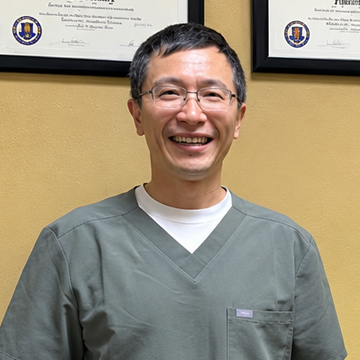
Dr. Zhuwei Joey Chen
Dr. Zhuwei Joey Chen provides Orthodontics focused on improving tooth alignment, bite balance, and overall oral health. He carefully evaluates each patient to recommend appropriate treatment options that support long-term stability. Patients seeking orthodontic care often visit Confluence Dental Wenatchee to work with an experienced dentist in Wenatchee.